Gold and Black Art Deco Pattern: A Timeless Fusion of Elegance and Opulence
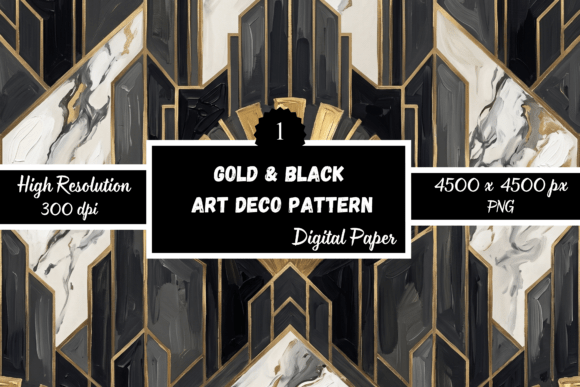
The Gold and Black Art Deco Pattern stands as a testament to the enduring allure of 20th-century design. With its striking combination of metallic gold, deep black, and marble-style textures, this visual motif captures the essence of an era defined by sophistication, innovation, and grandeur. The Gold and Black Art Deco Pattern is not merely an aesthetic choice—it is a narrative woven into every line, curve, and geometric form that defines it.
At its core, the Gold and Black Art Deco Pattern is a celebration of symmetry and balance. Its ornate golden fan motifs, often interwoven with intricate black lines, create a sense of movement and depth that is both mesmerizing and timeless. This pattern reflects the artistic movement that flourished between the World Wars, a period marked by technological advancement and cultural transformation. The Gold and Black Art Deco Pattern embodies the spirit of that age, where art and industry merged to produce something truly extraordinary.
The Visual Language of Art Deco
Art Deco, as a design style, was characterized by its bold geometric shapes, luxurious materials, and emphasis on modernity. The Gold and Black Art Deco Pattern is a prime example of this philosophy in action. It draws inspiration from ancient civilizations, such as Egypt and Greece, while also embracing the sleek, streamlined aesthetics of the modern world.
The use of gold in this pattern symbolizes wealth, power, and refinement. It is often contrasted with the starkness of black, which adds depth and drama to the composition. Together, these colors create a visual tension that is both captivating and sophisticated. The addition of marble-style hues further enhances the richness of the design, giving it a sense of permanence and elegance.
This pattern is particularly effective in environments where luxury and class are paramount. Whether used in interior design, fashion, or digital media, the Gold and Black Art Deco Pattern exudes an air of exclusivity that is hard to replicate. Its ability to convey opulence through simplicity makes it a versatile choice for designers seeking to make a statement without overwhelming the viewer.
Applications of the Gold and Black Art Deco Pattern
The Gold and Black Art Deco Pattern has found a home in various industries, each leveraging its unique qualities to enhance their offerings. In the realm of digital design, this pattern is often used as a background element in websites, apps, and social media graphics. Its high contrast and intricate details make it ideal for creating visually engaging content that commands attention.
In graphic design, the Gold and Black Art Deco Pattern is frequently employed to add a touch of vintage glamour to logos, branding materials, and packaging. Its timeless appeal ensures that it remains relevant across different eras and trends. For instance, luxury brands often incorporate this pattern into their visual identity to evoke a sense of heritage and prestige.
Within the interior design sector, the Gold and Black Art Deco Pattern is used to decorate walls, furniture, and accessories. Its bold patterns and rich color palette can transform a space into a statement piece, making it perfect for high-end residential and commercial projects. This pattern is especially popular in spaces that aim to blend historical aesthetics with contemporary functionality.
Moreover, the Gold and Black Art Deco Pattern has made its way into fashion, where it is used to embellish garments, accessories, and even jewelry. Designers often draw upon its geometric elements and metallic finishes to create pieces that are both elegant and eye-catching. The pattern's versatility allows it to be adapted to various styles, from classic to avant-garde.
Design Considerations and Best Practices
While the Gold and Black Art Deco Pattern is undeniably beautiful, its application requires careful consideration to ensure it complements rather than overwhelms the overall design. One key factor is contrast. Because the pattern features bold, dark elements against a golden backdrop, it is essential to balance it with lighter or neutral tones to avoid visual fatigue.
Another important aspect is scale. The Gold and Black Art Deco Pattern can be scaled up or down depending on the intended use. When applied to large surfaces, such as wall coverings or banners, the pattern should be used sparingly to maintain its impact. Conversely, when used in smaller formats, like icons or text overlays, it can be more densely packed to enhance visual interest.
Additionally, color harmony plays a crucial role in the successful integration of this pattern. While gold and black are the primary colors, incorporating complementary shades—such as deep navy, emerald green, or rich burgundy—can help create a cohesive and balanced design. These colors not only enhance the pattern's visual appeal but also provide a more dynamic and layered look.
When using the Gold and Black Art Deco Pattern in digital contexts, it is recommended to utilize high-resolution images to preserve the intricate details. The provided PNG file, measuring 4500 x 4500px at 300 dpi resolution, ensures that the pattern retains its clarity and vibrancy across various platforms and devices. This level of quality is particularly important for print and web applications where image fidelity is critical.
Embracing the Legacy of Art Deco
The Gold and Black Art Deco Pattern is more than just a decorative element—it is a reflection of a bygone era that continues to inspire and captivate. Its fusion of gilded elegance and stark sophistication speaks to a time when art and design were intertwined with the progress of civilization. Today, this pattern remains a powerful tool for those who seek to infuse their work with a sense of history, luxury, and refinement.
Whether you are a designer, artist, or simply an admirer of fine aesthetics, the Gold and Black Art Deco Pattern offers a compelling opportunity to explore the intersection of beauty and function. Its enduring relevance serves as a reminder that true design transcends trends and remains relevant for generations to come.