Wood Texture Seamless Patterns: A Guide to Choosing and Using Them Effectively
If you're looking for high-quality, versatile background designs that can elevate your creative projects, Wood Texture Seamless Patterns might be just what you need. These patterns offer a natural, organic aesthetic that's perfect for a wide range of applications—from web design and print materials to branding and artistic compositions. But like any design resource, they come with nuances that can impact their effectiveness if not understood properly.
What Are Wood Texture Seamless Patterns?
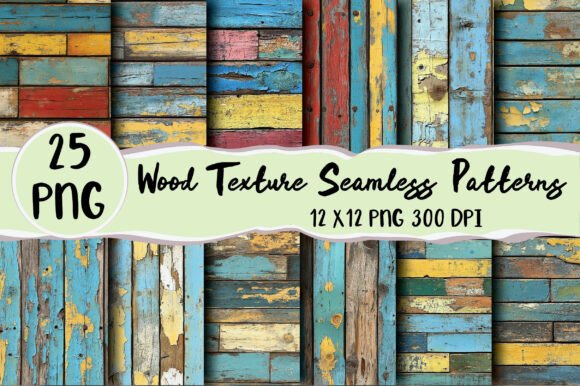
Wood Texture Seamless Patterns are digital images designed to repeat seamlessly across a surface without visible seams or breaks. They are typically created using wood grain textures and can be used as backgrounds in both digital and print media. These patterns are ideal for creating a warm, earthy feel in your designs, making them popular among designers, educators, and small business owners who want to add depth and character to their visuals.
The package includes 25 seamless background PNG files, each sized at 12 x 12 inches and set at 300 DPI resolution. This ensures high quality and clarity, even when printed or scaled up. The files are compressed into a single ZIP archive, which must be extracted using software like WinZIP or WinRAR. This format is convenient for users who prefer organized downloads and easy access to multiple files.
Common Mistakes When Using Wood Texture Seamless Patterns
While Wood Texture Seamless Patterns are powerful tools, there are several common mistakes that users often make. Understanding these can help you avoid pitfalls and get the most out of your design resources.
- Not Checking Compatibility: Before using a pattern, it's essential to ensure it works with your design software. Some patterns may not render correctly in certain programs or may require specific settings to display properly.
- Ignoring File Size and Resolution: Although the files are 12 x 12 inches at 300 DPI, they should be used appropriately based on the project's scale. Overusing large files can lead to performance issues, especially in web-based applications.
- Using the Wrong Background Layer: Placing a seamless pattern behind text or other elements can cause readability issues. Always test how the pattern interacts with other design components before finalizing your layout.
- Overlooking Color Contrast: Wood textures can vary in color and tone. It's important to choose patterns that complement your overall design rather than clash with it. Poor contrast can reduce the visual appeal and accessibility of your work.
How These Mistakes Affect Your Work
Making these mistakes can have a noticeable impact on the quality and usability of your design. For instance, ignoring file size and resolution can lead to slow loading times or blurry outputs, which can frustrate users or clients. Similarly, poor color contrast can make your design less engaging and harder to read, especially for those with visual impairments.
Additionally, not checking compatibility can result in wasted time and effort. If a pattern doesn't work in your chosen software, you may need to search for alternatives or invest in additional tools, increasing both time and cost.
Practical Tips for Avoiding Common Pitfalls
To ensure you're getting the best results from Wood Texture Seamless Patterns, follow these practical tips:
- Test the Pattern in Your Project: Always preview the pattern in the context of your design to see how it looks with other elements. This helps catch potential issues early on.
- Use Appropriate Layers: Place the pattern on a separate layer and adjust its opacity or blending modes to achieve the desired effect without overpowering other content.
- Check File Requirements: Make sure your project has the necessary specifications, such as resolution and file format, before importing the pattern.
- Consider Accessibility: Ensure that the pattern enhances rather than hinders readability. Use tools like color contrast checkers to verify that your design is accessible to all users.
What to Look For Before Making a Decision
Before purchasing or using Wood Texture Seamless Patterns, there are several factors to consider:
- Quality and Resolution: Confirm that the files meet your project's requirements. High-resolution patterns are essential for professional-grade prints or large-scale displays.
- Seamless Repetition: Test the pattern to ensure it repeats smoothly without visible seams. A well-designed seamless pattern should blend seamlessly at the edges.
- License and Usage Rights: Understand the terms of use for the patterns. Some may be restricted to personal use only, while others allow commercial applications.
- Support and Updates: Check if the provider offers support or updates for the patterns. This can be crucial if you need to adapt the designs for new projects or changing needs.
By being mindful of these considerations, you can make informed decisions and maximize the value of your design resources.
Final Thoughts
Wood Texture Seamless Patterns are a valuable addition to any designer's toolkit. However, like any design asset, they require careful selection and thoughtful application. By understanding common mistakes and learning how to avoid them, you can create more effective, visually appealing designs that meet your goals and resonate with your audience.
Follow us for more stunning artwork and design inspiration. Thank you for stopping by ❤.